
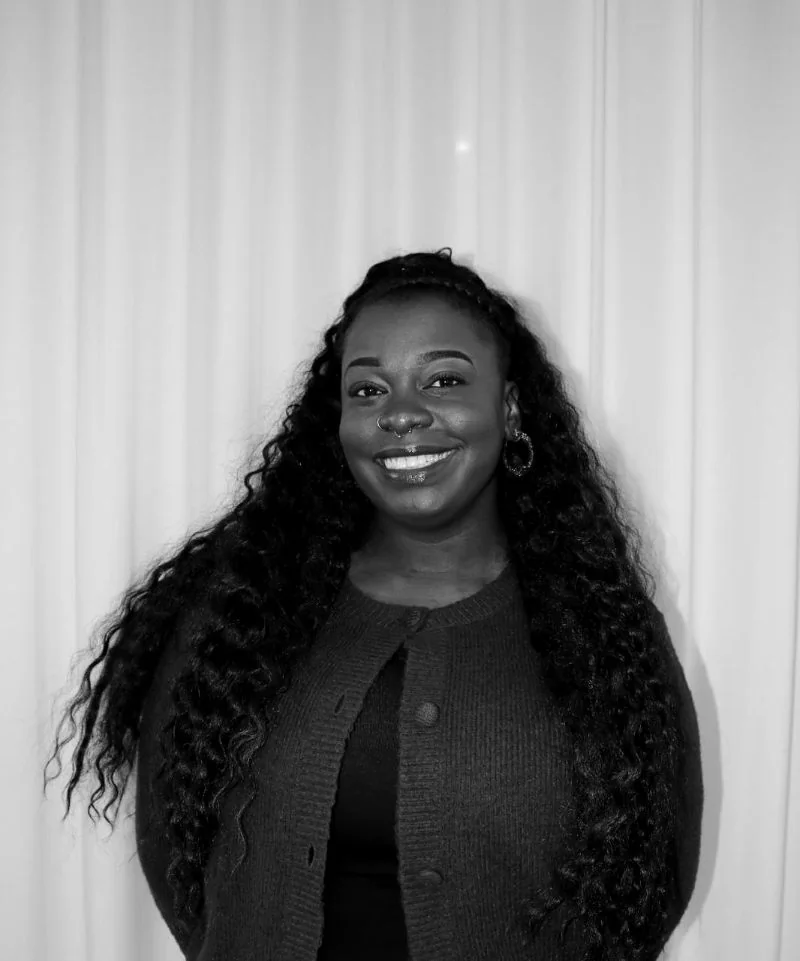
 By Sade Clarke, Senior Lead, Sales Stream at Jumpstart. Updated September 2026.
The best SDRs I place did not start in sales. They were teachers, recruiters, estate agents, people in media. They spent one or two years in another job, found themselves drawn to the parts of it that were really selling, and decided to do that on purpose.
If that's you, this page is for you. What the job is, what it pays, why your background is an advantage rather than a gap, and how to make the switch without taking a step back.
Why career switchers do well
An SDR's job is to open conversations with people who didn't ask for one, work out fast whether there's a real problem worth a meeting, and hand that meeting to someone who closes. It rewards resilience, curiosity and the ability to talk to strangers without flinching.
Teachers do that thirty times a day to an audience that would rather be elsewhere. Recruiters already do outbound; they just call it sourcing. Estate agents qualify buyers in a five-minute viewing. Media people know how to hold attention. You've been building the skill for two years under a different name, and the people I place from these backgrounds tend to outperform the graduates who arrive with a sales module and no scar tissue.
What the switch adds is intent. You've seen what work looks like, you know what you're good at, and you've chosen this. Founders read that as maturity, and they're right to.
What the job looks like at a startup
- Outbound is most of it. Calls, email sequences, LinkedIn. Research first, then personalise, then reach out. Volume matters, but the founders I work with care more about the quality of the meetings you book than the number of dials.
- You'll use AI every day. Researching an account, drafting a first-touch email, summarising a call. The SDRs who get hired now are the ones who've already worked out how to use these tools to do more with the same hours.
- You'll hear no far more than yes. That's the job. The people who last are the ones who can hear it, learn from it and pick up the phone again.
- At a small company you'll also feed back what you hear to the founders and the product team. Nobody talks to more prospects than you.
What it pays
SDR and BDR base salaries on the platform are £30k to £40k, with on-target earnings of £50k to £60k and above once commission is included. Experienced SDRs and commercial associates land higher, around £50k base for the right background. The route from here is real: the AEs I place at £45k to £65k base often started as SDRs two years earlier.
SDR and BDR roles we've filled
Ten SDR and BDR roles, with salaries from the briefs, are on the roles page. Research AI, healthtech, proptech, fintech and more, most with a founder video.
Who gets hired
- People who can point to one or two years doing something demanding, and explain what in it was actually selling.
- People who are proactive without being told. Founders ask for examples: the thing you started, the process you fixed, the client you won that nobody assigned you.
- People who can take a no. Not enjoy it, but hear it, learn from it and go again.
- People who are fluent with AI tools for research and outreach. This is now a baseline, not a bonus.
What I tell people on the call
The right person leans in at three points. When we talk about money beyond the base and the OTE, because early hires at startups get equity and I explain what that can be worth if the company works. When they realise the call itself is a vetting step, and that the roles on the platform are high-calibre because not everyone gets through. And when I explain the interview coaching: founders pitch to you directly, you're seen rather than filtered by a job board, and you get one-to-one support through the interviews. We're measured on people getting jobs, not interviews.
Who should not apply
If you want to slot into a process someone else has built, a startup will frustrate you. You'll often be the first or second SDR, and part of the job is working out what works and writing it down for the next person. The people who thrive like being the architect. The people who don't self-select out on the call, and that's fine.
Two other things disqualify people. Not meeting the academic requirements for the platform, which I'll cover on the call. And not being interested in how a business works. You don't need to know it yet, but you need to want to learn it, because you'll be feeding what you hear on calls back to product and marketing, and that only works if you understand why it matters.
Thinking about the switch? Book a 15-minute call. I'll tell you honestly how your background reads to a founder and which live roles want it.
Book an SDR/BDR call →How to position yourself
Rewrite your CV around the parts of your current job that were selling. A teacher who got a difficult class to sit a mock exam, a recruiter with a fill rate, an estate agent who converted viewings to offers. Put a number on each. Founders won't do the translation for you, so do it for them.
Then get your video pitch right. On Jumpstart you record a 60-second pitch within 24 hours of joining, and for an SDR it is the audition: can you be clear, warm and specific under a deadline? Founders watch these before they read a CV.
How the process works
Book a 15-minute call with me. If the SDR/BDR stream fits, you're on the platform with a profile and a 60-second video pitch within 24 hours. Founders pitch their roles to you on video, you apply to the ones you like, and 80% of candidates who hit the 24-hour window land a role in four to six weeks. Free for candidates. Jumpstart can't support visa sponsorship or candidates in full-time study.